Knowledge-Enhanced Information Retrieval
Third KEIR Workshop @ CIKM 2026

Sunday, November 8th, 2026 | Sapienza University of Rome | Rome, Italy

Workshop Description

Modern information retrieval (IR) is built on pretrained language models whose parametric knowledge has driven strong gains in semantic understanding. Yet, this knowledge is frozen at training time, opaque, and shallow on long-tail, domain-specific, and fast-changing information, yielding imprecise, non-factual, or poorly grounded results. Knowledge-enhanced IR addresses this by augmenting retrieval systems—and the language models that power them—with external knowledge: unstructured or structured, gold or synthetic, increasingly across modalities. Large language models are now reshaping how this knowledge is acquired and integrated—for example, autonomous agents that plan, reason, and decide what to search; automated knowledge curation and linking; and systems that interleave retrieval and generation, learning when to consult external evidence and when to answer from parametric knowledge.

The Third Workshop on Knowledge-Enhanced Information Retrieval (KEIR @ CIKM 2026) gathers researchers and practitioners from IR, natural language processing, data mining, and knowledge management to advance the principled integration of external knowledge into IR. KEIR welcomes both methodological and applied contributions, with particular attention to knowledge-intensive, domain-sensitive fields such as science, medicine, law, and finance, where factuality, trust, and discovery are paramount. Medical and clinical applications are a natural proving ground: from biomedical literature search and question answering to clinical decision support, retrieval must ground every answer in curated, verifiable knowledge.

How to Attend

KEIR is a half-day, in-person workshop co-located with the 35th ACM International Conference on Information and Knowledge Management (CIKM 2026). Registration is required through the official CIKM 2026 conference website. The workshop takes place at Sapienza University of Rome. Please note that, following the CIKM 2026 policy, the conference and its workshops are fully in person: hybrid presentation or attendance options cannot be accommodated.

Register on the CIKM 2026 Website

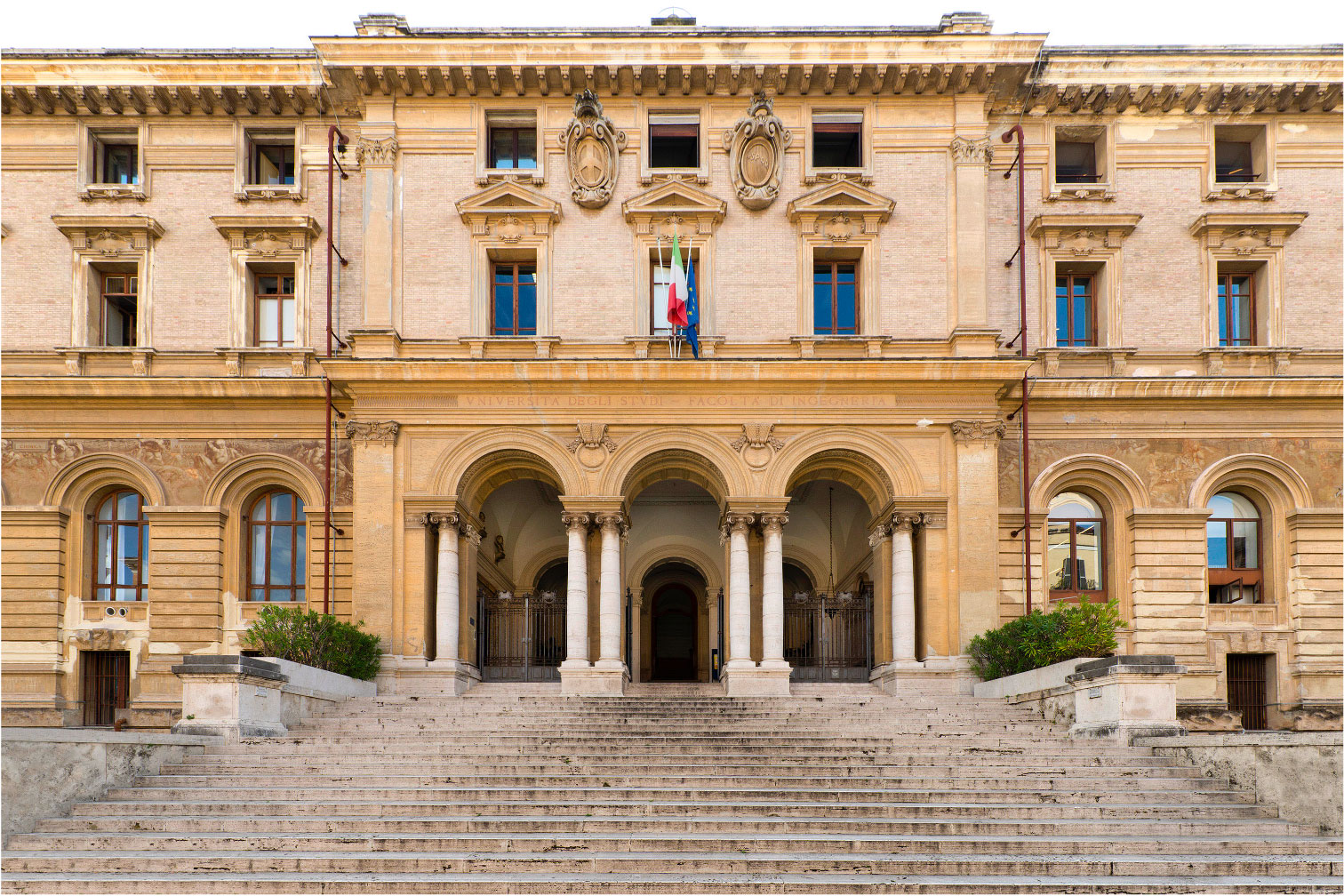
San Pietro in Vincoli Campus, Sapienza University of Rome

San Pietro in Vincoli Campus, Faculty of Engineering, Sapienza University of Rome
Via Eudossiana 18, 00184 Roma · Open in Google Maps

35th ACM International Conference on
Information and Knowledge Management

Invited Speaker

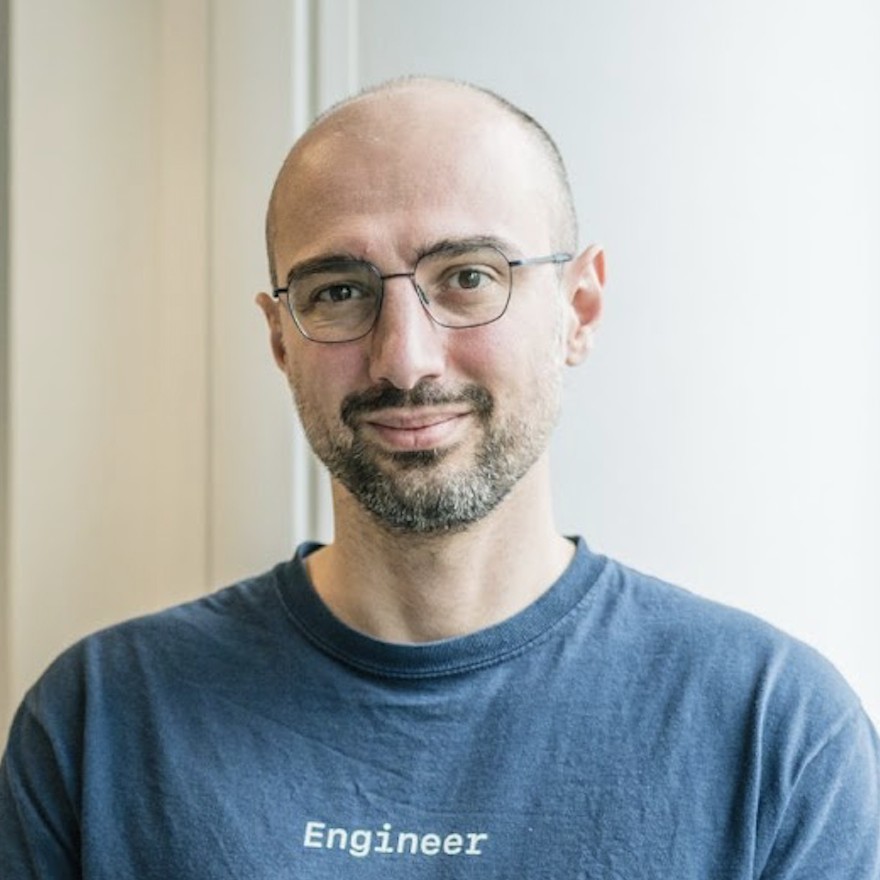
Fabio Petroni
Fabio Petroni

EMBL Rome

Fabio Petroni is a Group Leader at EMBL Rome, where he works on AI-driven scientific discovery. He is a co-founder of Samaya AI, a financial knowledge-discovery company, and previously worked in Meta AI’s FAIR lab, where he contributed to early foundational work in knowledge-intensive NLP and co-developed Retrieval-Augmented Generation (RAG).

Organizers

Giacomo Frisoni
Giacomo Frisoni

University of Bologna

Luca Ragazzi
Luca Ragazzi

University of Bologna

Gianluca Moro
Gianluca Moro

University of Bologna

Zaiqiao Meng
Zaiqiao Meng

Huazhong University of Science and Technology

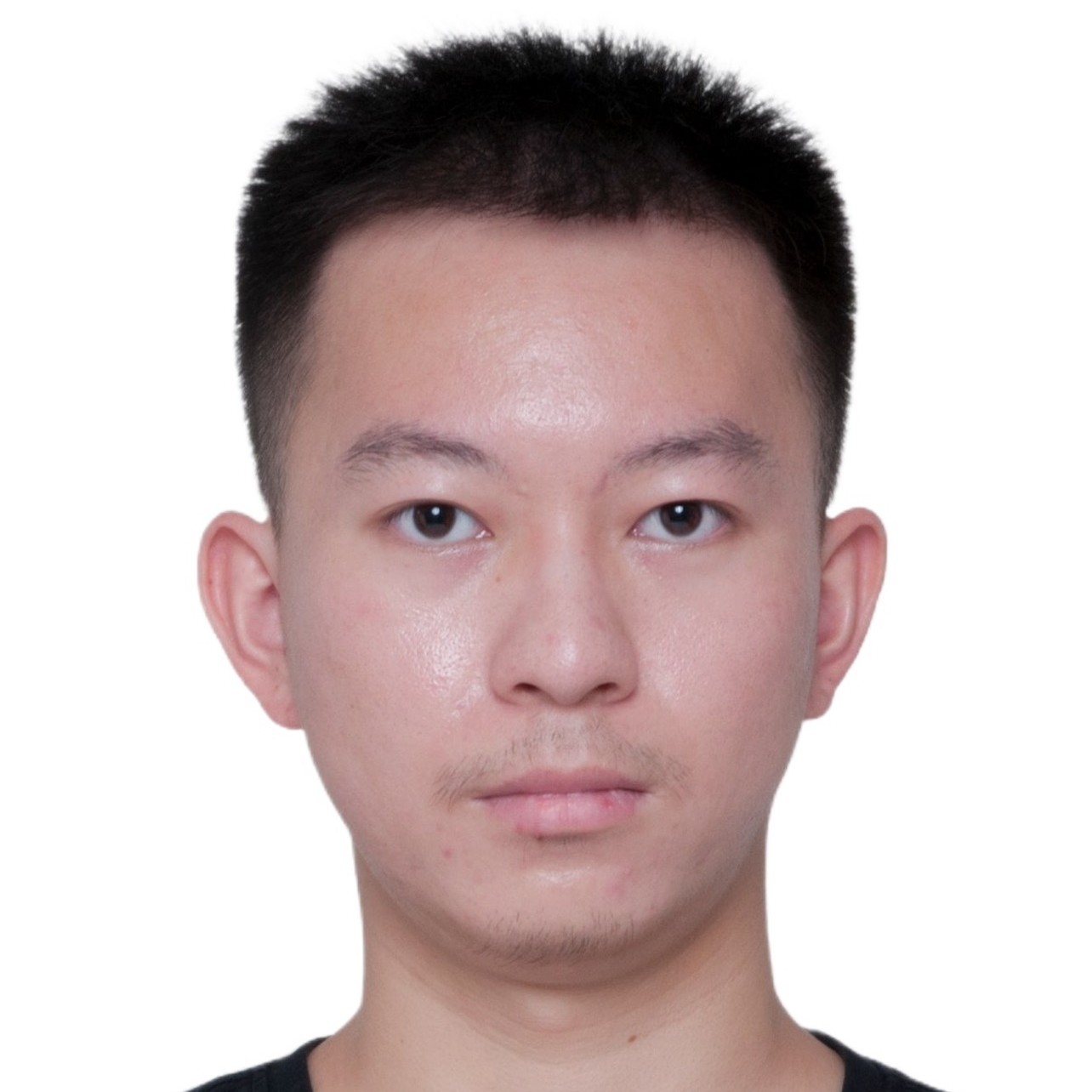
Jinyuan Fang
Jinyuan Fang

University of Glasgow

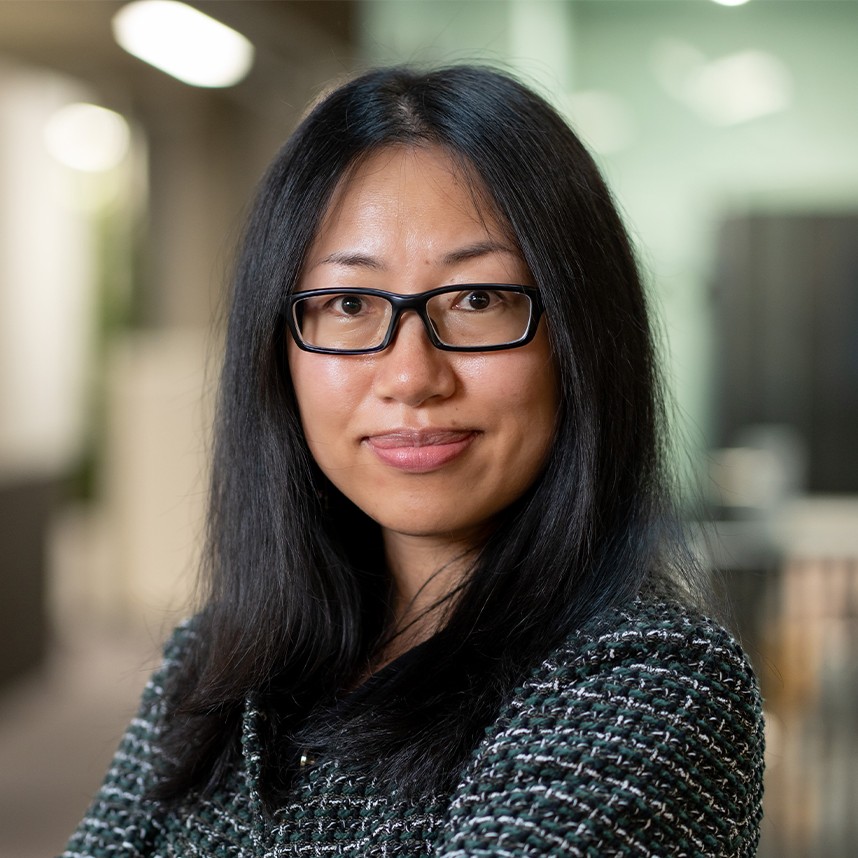
Yufang Hou
Yufang Hou

IT:U Austria & IBM Research

DARE Dissemination Chair

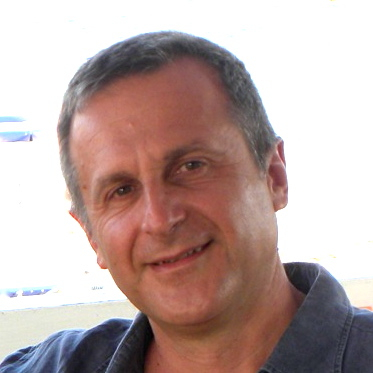
Claudio Sartori
Claudio Sartori

University of Bologna

Schedule

Tentative program. The afternoon slot (14:00 - 18:00) is confirmed by CIKM 2026; the timing and order of the sessions below may still change.

November 8th, 2026 - CIKM Workshop Day (Afternoon Session)

14:00 - 14:10

Opening Remarks

Organizers
14:10 - 15:00

Keynote Talk

40 minutes of presentation, 10 of questions

Fabio Petroni (EMBL Rome)
15:00 - 16:00

Oral Session

Six selected accepted papers, presented in person

Authors of selected papers
16:00 - 16:30

Tea Break

16:30 - 17:30

Poster Session

Contributed works, presented in person

Authors of accepted papers
17:30 - 18:00

Panel + Live Community Survey & Closing Remarks

Speakers and attendees collaboratively identify open problems and shape a shared research agenda

Organizers, Speakers & Attendees

Accepted Papers

KEIR @ CIKM 2026 received 32 submissions, the highest number in the history of the KEIR series. After double-blind peer review, 16 papers were accepted, for an acceptance rate of 50%. Papers are listed in alphabetical order by title.

  1. Anamnesis: Benchmarking Patient-Level Retrieval-Augmented Generation over Clinical Records on Smartphones

    Alice Ferri, Giacomo Frisoni, Luca Ragazzi and Gianluca Moro

  2. BenchRAG-OD: Benchmark-Retrieval-Augmented Guidance for Evidence-Grounded Outlier Detector Selection

    Adam Kiersztyn, Mateusz Turowicz, Krystyna Kiersztyn and Maciej Laskowski

  3. Bridging Concepts: Multi-Agent Reasoning over Scientific Concept Graphs for High-Impact Research Prediction

    Donggyu Yoon, Minsung Hwang, Juneha Baek, Donghyuk Shin and Joyce Whang

  4. CacheGraft: Enhancing Retrieval-Augmented Generation via Latent-Space Document Enrichment

    Vihan Lakshman, Peter Baile Chen, Zhuohan Gu and Michael Cafarella

  5. Concepts Complement Dense Semantics: Learning Compact Sparse Spaces for Text-Image Retrieval

    Yoonseo Kim, Jungwoo Choi, Cheonyoung Park, Youngwook Kim, Yongho Song and Seongku Kang

  6. Constraint-First Graph Pruning for Enterprise Knowledge Base Deduplication

    Jamal Kawach, Maryam Ebrahimi and Erin Li

  7. Living Context Graphs: Continual Semantic Learning and Retrieval for Enterprise Data Reasoning

    Varun Agrawal, Ayush Srivastava, Eshan Gujar, Kaushal Kumar and Ayush Gupta

  8. On the Structural Memory of LLM Agents

    Ruihong Zeng, Jinyuan Fang, Siwei Liu and Zaiqiao Meng

  9. Retrieving Transferable Knowledge for Cross-Task Continual In-Context Learning

    Srikar Chandra Dupati, P.K. Srijith, Dana Rezazadegan and Christopher McCarthy

  10. SciDef: Datasets and Tools for Automated Definition Extraction from Scientific Literature with LLMs

    Filip Kučera, Christoph Mandl, Isao Echizen, Radu Timofte and Timo Spinde

  11. Soft Graph Tokens: Continuous Heterogeneous Graph Interfaces for Knowledge-Enhanced Language Models

    Daniele Pasquini, Danilo Croce and Roberto Basili

  12. Type-Directed Synthesis of Executable Pipelines over Deep Web Scientific Resources

    Syed Nazmus Sakib, Sajratul Yakin Rubaiat and Hasan Jamil

  13. What Drives Next-Occupation Prediction?

    Kaijun Yuan, Yiran Zeng, Lorenzo Molfetta, Giacomo Frisoni, Luca Ragazzi and Gianluca Moro

  14. When Does Learned Graph Sparsity Actually Pay Off? Selection Utility and Realized Efficiency in Knowledge Graph Completion

    Amangel Bhullar and Ziad Kobti

  15. When Forgetting Breaks Retrieval: Deletion Robustness of Vector Indexes for Dynamic Knowledge

    Sang-Hwan Gwak, Ina Kim, Jiyoung Choi, Kyong-Ha Lee and Gunwoo Lee

  16. Which Graph RAG Retrieval Components Should We Use?: A Case Study on Knowledge Graphs and Long-Horizon Agent Memory

    Chaejeong Hyun and Min-Soo Kim
Community

The workshop is partially supported by